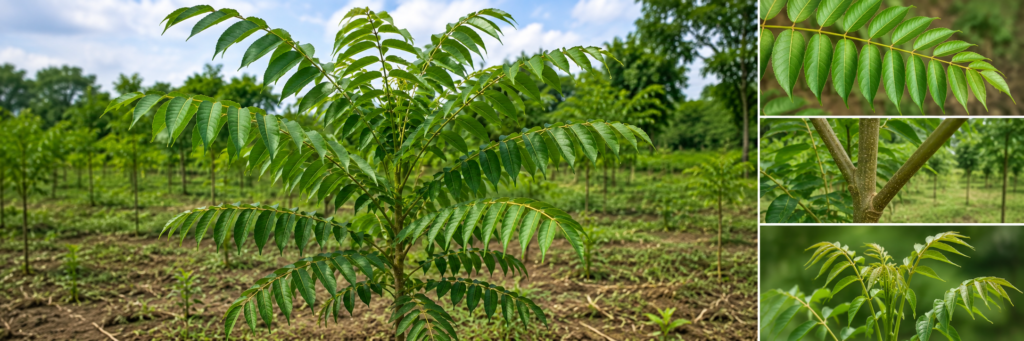
The Ardu Ailanthus excelsa plant is a fast-growing, hardy tree valued for its adaptability, timber potential, shade, and usefulness in agroforestry and plantation projects. Scientifically known as Ailanthus excelsa, Ardu is widely recognized as a suitable tree for warm and relatively dry conditions. Its rapid growth and ability to establish in different soil conditions make it an interesting choice for farmers, landowners, landscapers, and plantation enthusiasts.
For anyone looking for a tree that can develop quickly and contribute to a long-term plantation, Ardu can be a practical option. However, like any plantation tree, its success depends on selecting healthy nursery plants, suitable soil, adequate spacing, and proper early-stage care.
What Is the Ardu Ailanthus excelsa Plant?
Ardu, commonly known as Ailanthus excelsa, belongs to the Simaroubaceae family. It is a deciduous tree that can develop into a large, upright specimen under favorable conditions. The tree is known for its vigorous growth, compound leaves, and ability to tolerate challenging environmental conditions.
In India, Ardu is particularly interesting for farmers and plantation owners because of its fast growth and suitability for several agroforestry situations. It can also be planted where a hardy tree is required for larger landscapes and open areas.
Major Benefits of Ardu Tree
One of the main attractions of the Ardu plant is its relatively fast growth. This makes it useful for plantation projects where growers want trees to establish quickly.
Ardu can provide several potential benefits:
- Fast-growing tree suitable for plantation projects
- Adaptable to warm and dry climatic conditions
- Useful for agroforestry and farm boundaries
- Produces valuable wood as the tree matures
- Provides shade and greenery
- Suitable for larger open spaces
- Can contribute to long-term farm and landscape planning
- Generally considered a hardy tree once established
It is important not to treat these benefits as guaranteed financial returns. Timber value, growth rate, and plantation performance depend on climate, soil, management, tree age, and local market conditions.
How to Grow Ardu Ailanthus excelsa
For successful Ardu tree plantation, begin with healthy, vigorous nursery-grown plants. Choose an open location with sufficient sunlight and enough space for the tree to develop.
Prepare the planting pit according to the size of the sapling and improve poor soil with well-decomposed organic matter if necessary. After planting, water the sapling properly so that the soil settles around its roots.
During the initial establishment period, regular watering is important, especially when rainfall is limited. Once established, Ardu is comparatively hardy, but young plants still require attention.
Keep weeds away from the base of the plant because excessive weed competition can affect early growth. Mulching can also help conserve soil moisture and reduce weed growth.
covers this fast-growing tree’s importance for timber, fodder, shade, and landscaping. Ardu grows well in warm climates and tolerates relatively dry conditions. For healthy growth, choose quality nursery plants, provide sufficient sunlight, well-drained soil, and regular watering during early establishment.
Soil, Sunlight and Water Requirements
The Ailanthus excelsa plant performs best in an open location with good sunlight. Avoid planting it in areas where water remains stagnant for long periods.
Well-drained soil is generally preferable. Depending on the local climate and soil conditions, irrigation requirements will vary. Young plants require more consistent moisture than established trees.
Before starting a commercial plantation, farmers should evaluate local soil, rainfall, irrigation availability, spacing requirements, and market demand rather than relying only on general information about the species.
Ardu Plant for Agroforestry and Plantation
Ardu can be considered for agroforestry and tree plantation programs where its growth characteristics match the farmer’s objectives. Its adaptability makes it particularly interesting for warm regions.
The right planting density should be selected according to the purpose of cultivation. Timber-oriented plantations, farm boundaries, shade planting, and landscaping can have different spacing requirements.
Good plantation management includes timely weed control, appropriate irrigation, protection from livestock, and monitoring for pests or diseases. Healthy plants during the early stages generally have a better chance of establishing successfully.
Why Buy Ardu Plants from a Reliable Nursery?
The quality of planting material can strongly influence plantation performance. When buying an Ardu Ailanthus excelsa plant, look for healthy plants with a strong stem, well-developed roots, fresh foliage, and no obvious signs of pest or disease damage.
Anuj Nursery offers nursery plants for customers looking for quality planting material for farms, gardens, landscaping, and plantation projects. Visit anujnursery.in to explore available plants and contact the nursery for current availability, plant size, pricing, and delivery information.
Conclusion
The Ardu Ailanthus excelsa plant is a promising fast-growing tree for suitable Indian climates and plantation conditions. Its adaptability, growth potential, shade, and wood-producing characteristics make it useful for agroforestry, farm planting, and larger landscapes.
For the best results, focus on healthy nursery stock, suitable soil, proper sunlight, adequate spacing, and good care during the establishment stage. If you are planning a commercial plantation, make your decision based on local agronomic conditions and current market requirements.
Quick SEO/AEO Answer
What is Ardu Ailanthus excelsa?
Ardu is the common name for Ailanthus excelsa, a fast-growing, hardy deciduous tree used in agroforestry, plantations, landscaping, and wood production.
Is Ardu a fast-growing tree?
Yes, Ailanthus excelsa is generally regarded as a fast-growing tree, particularly when young plants receive suitable growing conditions.
Where can Ardu be planted?
Ardu can be considered for warm regions, farms, agroforestry systems, boundaries, and open landscapes where there is sufficient sunlight and suitable drainage.
How should young Ardu plants be cared for?
Provide adequate sunlight, regular watering during establishment, weed control, protection from animals, and suitable soil drainage.
Where can I buy Ardu plants?
You can contact Anuj Nursery for Ardu plant availability, sizes, pricing, and plantation requirements through anujnursery.in.
Local SEO Keywords: Ardu plant nursery in India, buy Ardu plant, Ailanthus excelsa plant nursery, Ardu plant in Saharanpur, Ardu tree in Uttar Pradesh, Ardu plantation plants, best Ardu plant nursery, Ardu plants near me.