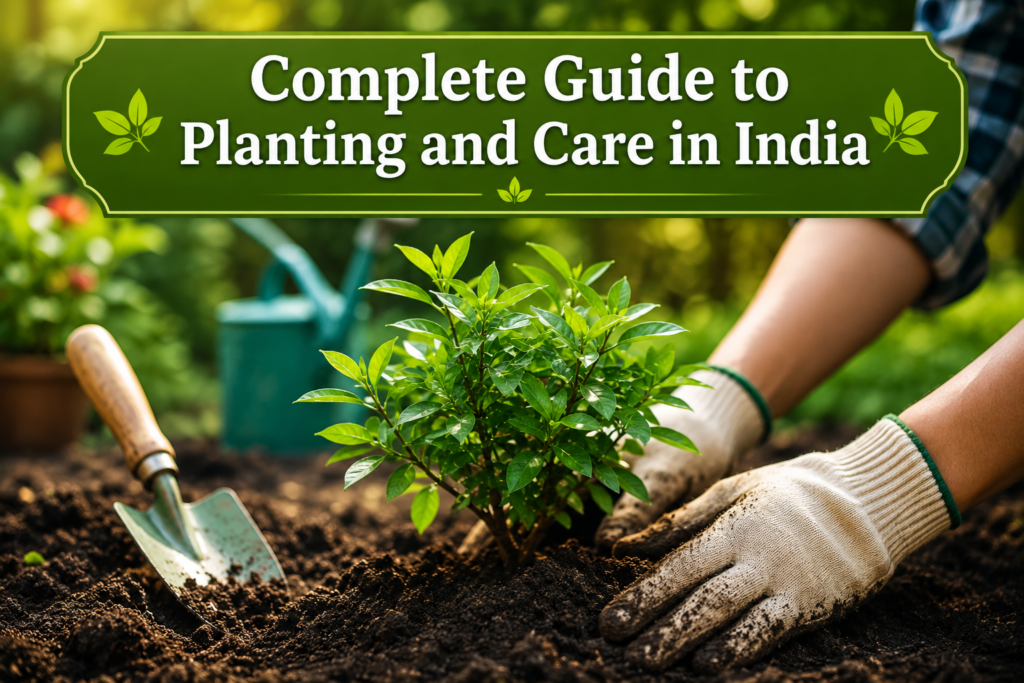
Growing healthy plants is one of the best ways to make your home, garden, balcony, terrace, or outdoor space greener and more attractive. However, successful gardening requires more than simply putting a plant into the soil. Understanding planting and care in India is especially important because different regions experience different temperatures, rainfall patterns, soil conditions, and sunlight levels.
With the right planting techniques and regular care, beginners can also create healthy and beautiful gardens. This complete guide covers the essential steps you need to know.
1. Choose the Right Plant
The first step to successful gardening is selecting plants that suit your local climate and available space. India has a wide range of climatic conditions, so a plant that grows well in one region may require different care in another.
Before buying a plant, consider its sunlight requirements, mature size, watering needs, soil preference, and seasonal growth. Choosing climate-appropriate plants can make long-term maintenance much easier.
2. Prepare the Soil Properly
Healthy soil is the foundation of healthy plant growth. Before planting, loosen the soil and remove weeds, stones, and unwanted roots.
Adding suitable organic matter or compost can improve soil structure and provide nutrients. Good drainage is also essential because excessive water around the roots can negatively affect many plants.
For container gardening, always use a suitable potting mixture and make sure the container has drainage holes.
3. Select the Right Planting Location
Different plants require different levels of sunlight. Some thrive in full sun, while others prefer partial shade.
Observe your garden throughout the day before deciding where to plant. Place sun-loving plants in areas receiving adequate sunlight and shade-tolerant plants in suitable protected locations.
Proper spacing is equally important. Giving plants enough room allows air circulation and provides sufficient space for future growth.
4. Follow the Right Watering Routine
Watering is one of the most important aspects of plant care in India. However, more water does not always mean healthier plants.
Water according to the plant’s requirements, soil condition, season, and local weather. During hot periods, plants may require more frequent watering, while rainy conditions may reduce the need.
Water the soil near the root zone rather than unnecessarily wetting the leaves. Good drainage should always be maintained.
5. Provide Essential Nutrients
Plants need nutrients to grow properly and maintain healthy foliage, flowers, and fruits. Compost, organic manure, and suitable fertilizers can be used depending on the plant and soil condition.
Avoid excessive fertilizer application. Following the recommended quantity and frequency is important because too much fertilizer can damage plants and affect soil health.
6. Protect Plants From Pests
Garden pests can damage leaves, stems, flowers, and roots. Regularly inspect your plants for unusual spots, holes, discoloration, or visible insects.
Early identification can help prevent a small pest problem from becoming a major one. Keeping the garden clean, removing damaged plant material, and maintaining proper airflow can support overall plant health.
7. Pruning and Regular Maintenance
Pruning helps maintain the shape and health of many trees and shrubs. Remove dead, damaged, or diseased branches using clean tools.
Regularly remove weeds and fallen leaves from garden areas. Trimming overgrown plants can also help maintain proper spacing and improve the overall appearance of your landscape.
However, pruning requirements vary between plant species, so avoid cutting plants unnecessarily.
8. Consider Seasonal Plant Care
Plant requirements can change throughout the year. Summer may require careful watering and protection from excessive heat, while monsoon conditions can increase concerns related to waterlogging and fungal problems.
During cooler months, some plants may grow more slowly and require less frequent watering. Adjust your garden routine according to seasonal conditions rather than following the same schedule throughout the year.
9. Choose Quality Plants From a Reliable Nursery
Starting with healthy planting material can make a significant difference. Look for plants with healthy leaves, strong stems, well-developed roots, and no obvious signs of pests or disease.
For gardeners searching for quality plants and gardening options, Anuj Nursery can be a useful destination for exploring different plants, trees, and greenery for residential and landscape requirements.
Conclusion
Successful planting and care in India depends on choosing the right plants, preparing healthy soil, providing appropriate sunlight and water, and maintaining plants regularly. Understanding your local climate and each plant’s individual requirements can make gardening easier and more rewarding.
Whether you are a beginner creating your first balcony garden or planning a larger outdoor landscape, consistent care and thoughtful plant selection can help you build a healthy, beautiful green space. With patience, observation, and the right gardening practices, your plants can thrive and bring lasting beauty to your surroundings.
AEO FAQs
Q1. What is the best way to plant plants in India?
Choose climate-suitable plants, prepare well-draining soil, provide appropriate sunlight, plant at the correct depth, and water according to the plant’s needs.
Q2. How often should plants be watered in India?
Watering frequency depends on the plant, season, soil, temperature, and rainfall. Check the soil moisture instead of following a fixed daily schedule.
Q3. What makes soil good for planting?
Healthy planting soil should provide nutrients, have good structure, and allow excess water to drain while retaining enough moisture for plant roots.
Q4. How can I keep garden plants healthy?
Provide suitable sunlight, proper watering, adequate nutrients, good drainage, regular pruning, pest monitoring, and seasonal care.