
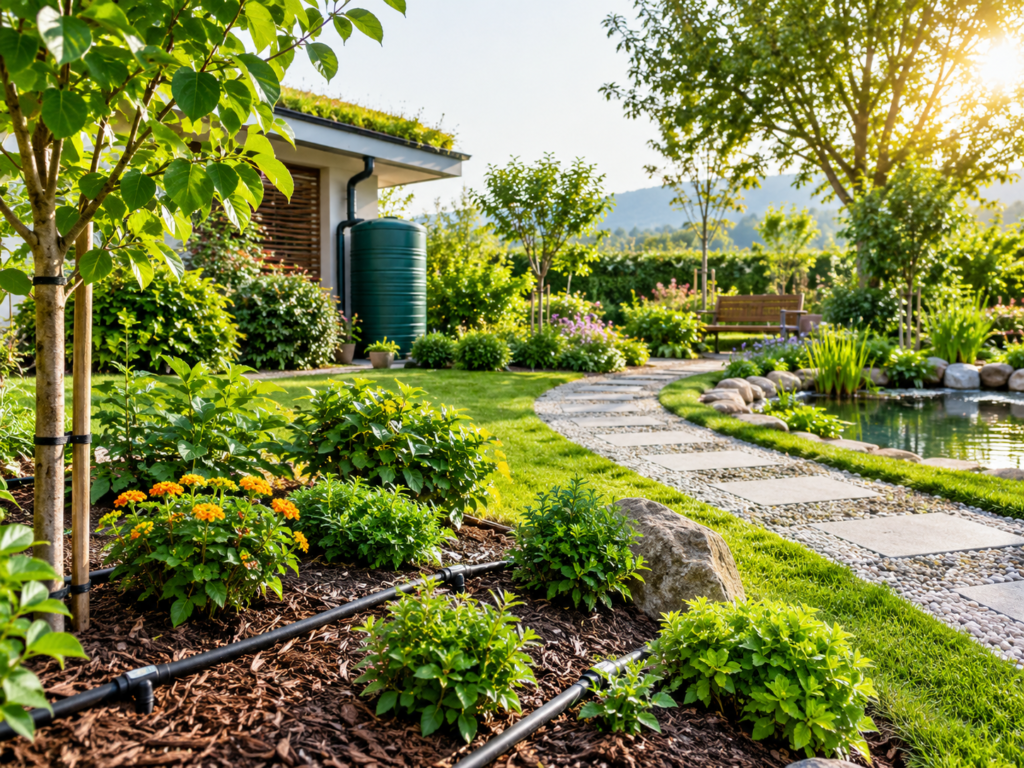
Sustainable landscaping is a modern approach to designing and maintaining outdoor spaces while protecting natural resources and reducing environmental impact. Instead of depending heavily on water, chemical fertilizers, pesticides, and high-maintenance plants, sustainable landscaping focuses on smart plant selection, efficient irrigation, healthy soil, and environmentally friendly practices.
From residential gardens and corporate campuses to parks, resorts, highways, and commercial properties, sustainable landscaping can create attractive green spaces that are easier to maintain and better for the environment. With increasing concerns about water conservation, climate change, and urban pollution, sustainable landscaping is becoming an important part of modern landscape design in India.
What Is Sustainable Landscaping?
Sustainable landscaping means creating a landscape that works in harmony with the local environment. It uses plants, materials, water, and maintenance methods efficiently while supporting biodiversity and reducing waste.
A sustainable landscape is designed according to the local climate, soil conditions, available water, and natural ecosystem. Native and climate-adapted plants are often preferred because they generally require less water and maintenance once established.
The main objective is not simply to make a garden look beautiful. It is to create a healthy, functional, and long-lasting outdoor space with fewer environmental costs.
How Does Sustainable Landscaping Work?
Sustainable landscaping works through a combination of thoughtful planning and environmentally responsible practices. Here are some of the most important elements.
1. Choosing the Right Plants
Plant selection is one of the most important parts of sustainable landscaping. Native and locally adapted plants are usually better suited to regional weather and soil conditions.
For Indian landscapes, plants should be selected according to the local climate and purpose of the space. Drought-tolerant trees, shrubs, flowering plants, groundcovers, and grasses can help reduce irrigation requirements while maintaining an attractive appearance.
Choosing the right plant for the right location also improves plant health and reduces replacement costs.
2. Saving Water
Water conservation is a major goal of sustainable landscaping. Traditional gardens can waste significant amounts of water through inefficient irrigation and evaporation.
Drip irrigation, moisture sensors, rainwater harvesting, mulching, and proper watering schedules can significantly improve water efficiency. Watering plants during cooler parts of the day can also reduce unnecessary evaporation.
A well-designed irrigation system delivers water directly where plants need it instead of distributing excessive water across pathways and unused areas.
3. Improving Soil Health
Healthy soil supports strong plant growth and reduces the need for excessive fertilizers. Sustainable landscaping encourages the use of organic matter, compost, mulch, and natural soil-improvement techniques.
Mulching around plants helps retain moisture, regulate soil temperature, suppress weeds, and gradually improve soil quality as organic materials break down.
Healthy soil can also support beneficial microorganisms and improve the overall resilience of the landscape.
4. Reducing Chemical Use
Excessive use of chemical fertilizers and pesticides can negatively affect soil, water, beneficial insects, and surrounding ecosystems.
Sustainable landscaping encourages integrated pest management, natural pest-control methods, proper plant spacing, and regular monitoring. Instead of treating every insect as a problem, gardeners can identify whether it is actually damaging the plants before taking action.
Organic fertilizers and compost can also be incorporated into a responsible plant nutrition program.
5. Creating Wildlife-Friendly Spaces
A sustainable landscape can provide valuable habitat for birds, butterflies, bees, and other beneficial organisms.
Flowering plants, native trees, shrubs, fruiting plants, and diverse vegetation can provide food and shelter for local wildlife. Avoiding unnecessary pesticide use further supports biodiversity.
Even a small residential garden can become a useful green habitat when plants are selected thoughtfully.
6. Using Sustainable Materials
Sustainability also applies to hardscape materials. Recycled, locally sourced, durable, and low-maintenance materials can be considered for pathways, seating areas, retaining walls, patios, and other landscape features.
Using permeable surfaces can allow rainwater to enter the soil instead of rapidly flowing into drains. This can help reduce surface runoff and support natural groundwater recharge.
Benefits of Sustainable Landscaping
Sustainable landscaping offers environmental, economic, and practical benefits.
Some major advantages include:
- Reduced water consumption
- Lower landscape maintenance requirements
- Better soil health
- Reduced dependence on chemical products
- Support for birds, bees, and butterflies
- Improved outdoor air quality
- Reduced landscape waste
- Better adaptation to local climate conditions
- Long-term maintenance savings
- More resilient and attractive green spaces
For businesses, sustainable landscaping can also contribute to a more environmentally responsible image while creating pleasant outdoor environments for employees, visitors, and customers.
Sustainable Landscaping in India
Sustainable landscaping is particularly valuable in India because different regions experience very different climates, rainfall patterns, and soil conditions. A landscaping strategy that works in a humid region may not be suitable for a dry or semi-arid location.
Landscape planning should therefore consider local rainfall, temperature, soil type, water availability, and plant suitability. In cities, sustainable landscapes can also help reduce heat, provide shade, improve visual appeal, and increase green cover.
Professional plant suppliers and landscaping companies can help select suitable trees, shrubs, palms, flowering plants, and groundcovers according to project requirements.
How to Start a Sustainable Landscape
To create a sustainable landscape, begin by studying the site. Understand the soil, sunlight, drainage, existing vegetation, and water availability. Next, select plants that are suitable for the local environment.
Plan irrigation carefully, use mulch and compost, reduce unnecessary lawn areas, and choose durable landscape materials. Regular maintenance should focus on pruning, soil improvement, efficient watering, and natural pest management rather than excessive chemical treatments.
Conclusion
Sustainable landscaping is about creating beautiful outdoor spaces that use natural resources responsibly. By selecting suitable plants, conserving water, improving soil health, reducing chemicals, supporting biodiversity, and using sustainable materials, homeowners and businesses can build landscapes that remain healthy and attractive for years.
As India continues to experience rapid urban development, sustainable landscaping can play an important role in creating greener, more efficient, and environmentally responsible outdoor spaces.