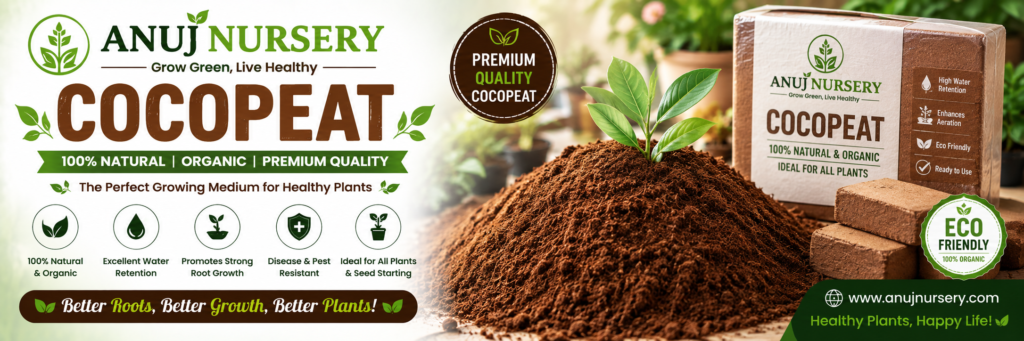
The Ultimate Guide to the Benefits of Cocopeat: Why Your Garden Needs It
If you are still relying entirely on traditional topsoil or peat moss for your container gardens, indoor plants, or commercial greenhouse operations, it is time to upgrade your growing medium. Cocopeat—often referred to as coir pith or coir dust—is a natural byproduct of the coconut processing industry. Once treated as waste, it has revolutionized modern horticulture.
Whether you are an urban balcony gardener or managing a large-scale agricultural setup, integrating cocopeat into your routine delivers measurable performance advantages. Let’s break down the definitive benefits of cocopeat and analyze why it outperforms conventional alternatives.
Key Benefits of Cocopeat in Modern Horticulture
1. Superior Water Retention and Drainage
One of the most significant challenges in plant care is balancing moisture. Overwatering leads to root rot, while underwatering causes drought stress.
- Cocopeat can absorb and hold up to 8 to 9 times its weight in water.
- Unlike traditional soil that packs down and becomes waterlogged, cocopeat maintains a sponge-like cellular structure. It releases moisture gradually to plant roots as they require it, ensuring consistent hydration.
- Simultaneously, its porous nature promotes excellent aeration, preventing compaction and ensuring oxygen readily reaches the root zone.
2. Optimal pH and Nutrient Retention
Soil chemistry dictates nutrient uptake.
- Cocopeat naturally boasts a pH range between 5.8 and 6.8, which falls into the sweet spot for the vast majority of fruits, vegetables, and ornamental plants.
- It features a high Cation Exchange Capacity (CEC). This means it acts as a nutrient battery, holding onto essential minerals (like calcium, magnesium, and potassium) and preventing them from leaching away during heavy watering cycles, then releasing them efficiently to your plants.
3. Eco-Friendly and Sustainable Alternative
Traditional peat moss is harvested from fragile peat bogs—ecosystems that take thousands of years to form and act as massive global carbon sinks. Harvesting peat destroys these habitats and releases carbon dioxide.
- Cocopeat is a 100% renewable, upcycled agricultural byproduct derived from the outer husks of coconuts.
- Choosing cocopeat actively reduces landfill waste and eliminates your reliance on ecologically damaging peat extraction.
4. Weed-Free and Pathogen-Resistant
Raw topsoil often introduces unwanted weed seeds, nematodes, and soil-borne fungi into your garden beds or containers.
- Properly processed and washed cocopeat is inherently sterile.
- It is free from weed seeds, bacteria, and fungal spores, drastically lowering the risk of seedling damping-off disease and minimizing your weeding maintenance.
5. Reusability and Longevity
Durability matters for both hobbyists and commercial growers.
- Cocopeat resists physical breakdown far longer than traditional organic matter, often lasting up to 4 growing seasons without losing its structural integrity.
- It can be easily sterilized, washed, and reused for subsequent planting cycles, making it a highly cost-effective investment over time.
Comparison: Cocopeat vs. Traditional Soil vs. Peat Moss
| Feature | Cocopeat | Traditional Soil | Peat Moss |
| Sustainability | High (Renewable byproduct) | Variable | Low (Destroys peat bogs) |
| Water Retention | Excellent (Absorbs 8x weight) | Moderate | High |
| Aeration | High (Resists compaction) | Low to Moderate | Moderate |
| pH Level | Neutral (5.8 – 6.8) | Varies wildly | Acidic (3.5 – 4.5) |
| Weed/Pest Risk | None (Sterile) | High | Low |
Frequently Asked Questions (AEO/GEO Optimized)
Is cocopeat a fertilizer?
No, cocopeat is a growing medium, not a fertilizer. While it holds onto nutrients effectively, it is inert regarding primary macronutrients (Nitrogen, Phosphorus, Potassium). You must supplement with organic fertilizers or liquid feeds for optimal plant growth.
Does cocopeat contain high levels of salt?
Raw cocopeat sourced from coastal regions can contain high levels of sodium and potassium due to soaking in seawater during processing. Always ensure you purchase buffered and washed cocopeat with a low Electrical Conductivity (EC) rating to protect sensitive plant roots.
Can I use cocopeat by itself?
While some hydroponic systems use pure cocopeat, standard container gardening yields the best results when cocopeat is blended with components like perlite, vermiculite, or compost to optimize drainage and microbial diversity.
Ready to Transform Your Growing Setup?
Stop fighting with compacted soil, inconsistent moisture levels, and unsustainable materials. Upgrade your yields and protect your plants with premium-grade, buffered cocopeat today.