
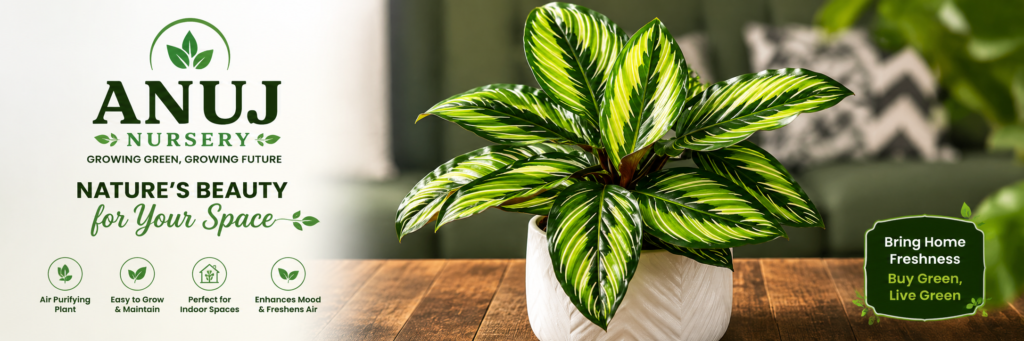
The Prayer Plant, commonly associated with Calathea and related Marantaceae plants, is a popular choice for indoor plant lovers because of its beautifully patterned foliage and attractive leaf movement. Many prayer plants fold or raise their leaves at night, creating a prayer-like appearance.
With the right balance of indirect light, humidity, watering, well-draining soil, and warmth, a Prayer Plant can become a beautiful addition to homes, offices, bedrooms, and other indoor spaces. This guide explains Prayer Plant care, benefits, watering, sunlight, soil, humidity, common problems, and growing tips in an easy-to-follow format.
Plant identification note: “Prayer Plant” is a common name used for several plants in the Marantaceae family. Calathea is commonly sold under this name, but the exact care requirements can vary by species or cultivar.
What Is a Prayer Plant?
Prayer Plant is a common name used for attractive foliage plants known for their decorative leaves and distinctive daily leaf movements. Many plants sold as Prayer Plants belong to the Marantaceae family, including Calathea and Maranta.
Their leaves can feature beautiful combinations of green, silver, cream, pink, purple, or burgundy patterns. This makes them excellent decorative plants for indoor spaces.
Prayer Plants generally prefer warm temperatures, higher humidity, indirect light, and evenly moist but well-drained soil.
Benefits of Growing a Prayer Plant
1. Beautiful Indoor Decoration
The colorful and patterned foliage makes Prayer Plants excellent decorative plants for living rooms, bedrooms, offices, balconies, and indoor plant corners.
2. Attractive Leaf Movement
One of the most fascinating features of Prayer Plants is their natural leaf movement. Leaves may change position between day and night, giving the plant its popular “prayer” name.
3. Compact Indoor Plant
Many Prayer Plant varieties remain relatively compact, making them suitable for shelves, desks, side tables, and other indoor locations with appropriate light.
4. Adds Natural Greenery
A healthy Prayer Plant can bring a fresh, natural appearance to indoor surroundings.
5. Pet-Friendly Options
Some commonly sold Prayer Plant species are considered non-toxic to cats and dogs, but always identify the exact species or cultivar before relying on pet-safety information.
Prayer Plant Care Guide
Light Requirements
Prayer Plants generally prefer bright, indirect light.
Place your plant near a window where it receives plenty of filtered natural light without harsh direct afternoon sunlight.
Too much direct sunlight can cause leaf fading, scorching, or brown patches. Very low light, on the other hand, may result in slower growth and less vibrant foliage.
A sheer curtain can help filter strong sunlight.
Watering Requirements
Prayer Plants prefer consistently moist soil, but they do not like sitting in stagnant water.
Check the top layer of soil regularly. When it begins to feel slightly dry, water thoroughly until excess water drains from the pot.
Reduce watering during cooler or low-light periods and increase monitoring during hot, dry weather.
Do not allow the plant to remain continuously waterlogged.
Humidity Requirements
Humidity is one of the most important factors for healthy Prayer Plant growth.
These plants generally appreciate moderate to high humidity. If indoor air is very dry, especially when using air conditioning, the leaf edges may become brown or crispy.
You can improve humidity by:
- Using a humidifier
- Grouping compatible plants together
- Keeping the plant away from dry air vents
- Placing the pot in a naturally humid area with suitable light
Soil Requirements
Use a loose, moisture-retentive but well-draining potting mix.
A suitable indoor mix can contain components such as cocopeat, compost, and materials that improve drainage and aeration.
The pot must have drainage holes to prevent excess water from accumulating around the roots.
Temperature
Prayer Plants prefer warm, stable indoor temperatures. Protect them from cold drafts, sudden temperature changes, and direct airflow from air conditioners.
Avoid placing the plant immediately next to a cold window or heating source.
Fertilizer
During active growth, feed the plant with a suitable balanced, diluted indoor-plant fertilizer according to the product instructions.
Avoid excessive fertilizer because salt buildup can damage the roots and cause brown leaf edges.
Common Prayer Plant Problems
Brown Leaf Edges
Brown edges can be caused by low humidity, inconsistent watering, excessive fertilizer, poor-quality water, or environmental stress.
Check humidity, soil moisture, and fertilizer use before making major changes.
Curling Leaves
Leaves may curl because of underwatering, low humidity, temperature stress, or unsuitable lighting.
Check the plant’s growing environment rather than assuming that one problem is responsible.
Yellow Leaves
Yellow leaves can be associated with overwatering, poor drainage, natural aging, or root stress.
Always check the soil moisture before watering again.
Frequently Asked Questions
How much light does a Prayer Plant need?
Prayer Plants generally prefer bright, indirect light. Protect them from harsh direct sunlight.
How often should I water a Prayer Plant?
Water when the upper layer of soil begins to dry while keeping the remaining root zone moderately moist. The exact frequency depends on temperature, humidity, pot size, soil, and season.
Is Prayer Plant good for indoors?
Yes. Prayer Plants are popular indoor foliage plants when provided with suitable indirect light, humidity, warmth, and watering.
Why are my Prayer Plant leaves turning brown?
Low humidity, inconsistent watering, fertilizer buildup, water quality, and environmental stress can all contribute to brown edges.
Can Prayer Plant grow in India?
Yes. Prayer Plants can be grown successfully indoors in many parts of India when protected from extreme heat, harsh direct sunlight, cold conditions, and very dry air.
Conclusion
The Prayer Plant is an excellent choice for anyone who wants attractive foliage and a distinctive indoor plant. Its colorful leaves and natural day-and-night leaf movement make it especially appealing to beginners and experienced plant collectors.
For healthy growth, focus on five essentials: bright indirect light, consistent but controlled watering, good humidity, well-draining soil, and warm temperatures.
If you are looking to buy a healthy Prayer Plant or Calathea online in India, explore the indoor plant collection at AnujNursery.in. Choose a healthy nursery plant and provide the right environment from the beginning.
Bring beautiful tropical-style foliage into your home—order your Prayer Plant from Anuj Nursery today!