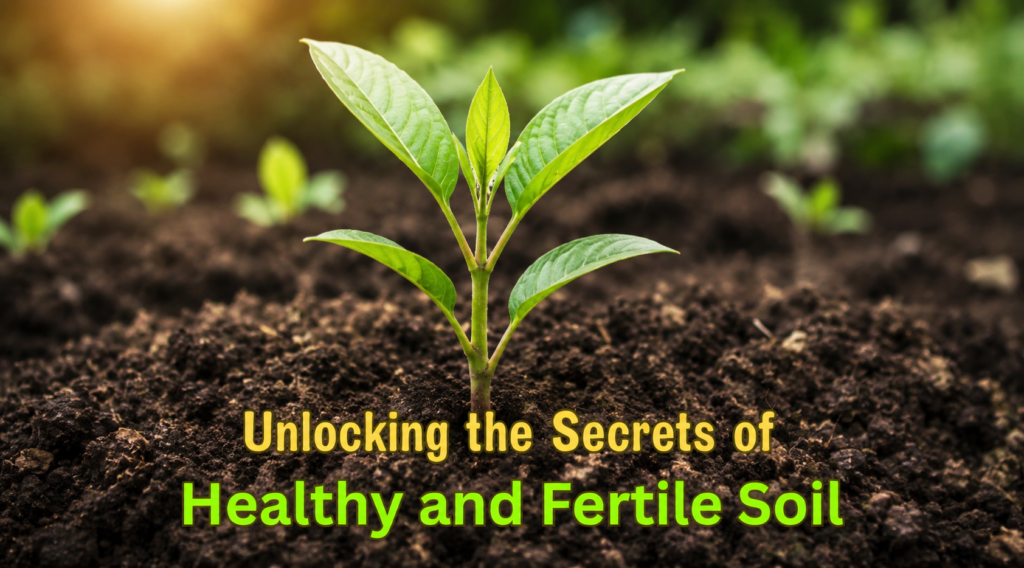
Healthy plants start from the ground up. Whether you are growing flowering plants, fruit trees, ornamental plants, vegetables, or landscaping trees, healthy and fertile soil provides the foundation for strong roots and consistent growth. Good soil supplies essential nutrients, holds enough moisture, allows air to reach the roots, and supports beneficial microorganisms.
But what makes soil truly healthy? And how can you improve poor soil naturally? Let’s explore the essential principles of soil fertility and practical ways to create better growing conditions.
What Is Healthy and Fertile Soil?
Healthy and fertile soil is more than soil that simply looks dark or rich. It should have a balanced combination of organic matter, minerals, moisture, air, microorganisms, and suitable pH.
Good soil allows plant roots to spread easily while maintaining enough moisture without becoming permanently waterlogged. It also contains nutrients such as nitrogen, phosphorus, and potassium, along with several micronutrients plants need for healthy development.
Soil structure is equally important. Loose, well-structured soil improves drainage and aeration, helping roots access oxygen and nutrients.
1. Start With a Soil Test
Before adding fertilizers or soil amendments, understand what your soil actually needs. A soil test can provide useful information about pH, nutrient levels, and other soil characteristics.
Testing prevents unnecessary applications and helps you make more informed decisions. Different plants also have different preferences, so knowing your soil conditions can help you select suitable plants and improve the growing environment.
For large landscaping or plantation projects, professional soil testing can be particularly valuable before planting.
2. Add Organic Matter
One of the most effective ways to improve garden soil is by increasing its organic matter. Compost, well-decomposed farmyard manure, leaf compost, and other suitable organic materials can improve soil structure and support beneficial biological activity.
Organic matter can help sandy soil retain moisture while improving the structure of heavier soils. However, always use properly decomposed organic material rather than fresh manure, which may harm plants or create nutrient imbalances.
3. Maintain the Right Soil Moisture
Plants need water, but more water does not necessarily mean healthier plants. Excessively wet soil can reduce oxygen around roots and encourage root-related problems.
At the same time, extremely dry soil can restrict nutrient uptake and stress plants. The goal is balanced moisture based on the plant’s requirements.
Mulching with suitable organic material can help reduce evaporation, moderate soil temperature, and gradually contribute organic matter as it decomposes.
4. Maintain Suitable Soil pH
Soil pH affects how easily plants can access nutrients. Some plants perform best in slightly acidic conditions, while others tolerate or prefer neutral to alkaline soils.
Instead of changing soil pH without testing, first determine your existing pH. Then use an appropriate soil amendment if adjustment is actually required.
This is especially important when establishing specialized gardens containing plants with different soil preferences.
5. Encourage Beneficial Soil Life
Healthy soil contains a complex community of microorganisms and other organisms. Beneficial soil life contributes to decomposition and nutrient cycling, helping maintain a functioning soil ecosystem.
Regularly adding suitable organic matter and avoiding unnecessary disturbance can support soil biological activity. Using excessive chemicals without understanding their purpose can negatively affect the broader soil ecosystem.
A living soil is an important part of long-term garden health.
6. Improve Drainage and Aeration
Poor drainage is a common reason plants struggle even when nutrients are available. Compacted soil can restrict root development, water movement, and oxygen availability.
For container plants, use a suitable growing medium and containers with adequate drainage holes. In outdoor gardens, improve compacted areas through appropriate organic matter and cultivation practices rather than simply adding more water or fertilizer.
For trees and landscaping plants, consider drainage and soil conditions before planting, because correcting major soil problems after establishment can be considerably more difficult.
7. Choose Plants According to Your Soil
Not every plant performs equally well in every soil type. Instead of forcing unsuitable plants to grow in difficult conditions, choose species that naturally adapt to your local climate and soil.
This approach can reduce maintenance requirements and improve long-term plant performance. At Anuj Nursery, gardeners and landscaping professionals can explore different plants suited to gardens, plantations, and landscaping applications.
Frequently Asked Questions
How can I improve soil fertility naturally?
Adding well-decomposed compost or organic matter, maintaining appropriate moisture, protecting soil structure, and selecting suitable plants can help improve soil fertility.
What makes soil healthy for plants?
Healthy soil generally has good structure, adequate organic matter, suitable moisture and drainage, balanced nutrients, appropriate pH, and active biological life.
How often should soil be tested?
Testing frequency depends on the soil, plants, fertilizers used, and gardening conditions. Periodic testing is useful when managing nutrient-sensitive gardens or large planting projects.
Is compost good for garden soil?
Yes, properly mature compost can improve soil structure and add organic matter. It should be used appropriately according to the needs of the soil and plants.
Final Thoughts
Healthy and fertile soil is the foundation of successful gardening and landscaping. Instead of relying only on fertilizers, focus on the complete soil ecosystem: test your soil, add suitable organic matter, maintain balanced moisture, protect soil structure, manage pH, and choose plants suited to local conditions.
When you improve the soil first, you give plants a stronger environment in which to establish roots and grow successfully. For gardeners and landscaping professionals, investing in soil preparation today can lead to healthier, more sustainable landscapes for years to come.