
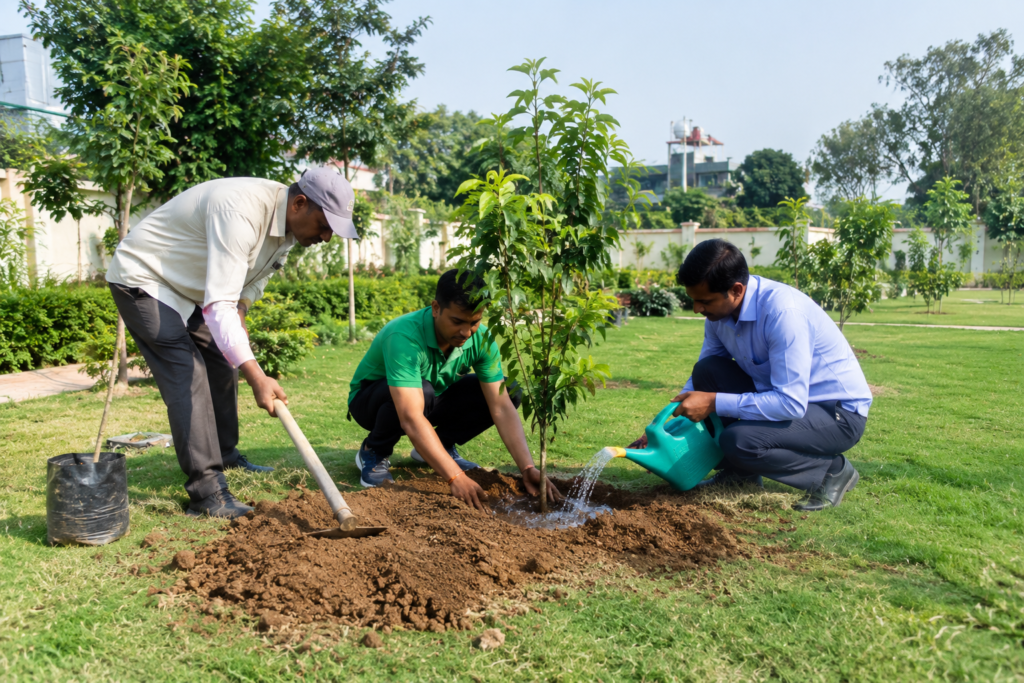
Tree plantation is one of the best ways to make residential, commercial, and institutional properties greener, cooler, and more attractive. For properties in Saharanpur, selecting the right tree species and following proper planting methods can help create a healthy landscape that remains beautiful for years. Whether you have a home garden, farmhouse, commercial property, school campus, or large open area, a well-planned tree plantation strategy can make a significant difference.
Why Tree Plantation Is Important for Saharanpur Properties
Trees provide shade, improve the appearance of outdoor spaces, support biodiversity, and contribute to a healthier environment. Strategically planted trees can also create natural privacy around properties and make outdoor areas more comfortable.
For larger properties, trees can be used along boundaries, entrances, roads, parking areas, walkways, and open landscapes. However, successful plantation depends on selecting species according to available space, sunlight, soil, water availability, and the tree’s mature size.
1. Select the Right Tree Species
The first step in tree plantation is choosing suitable trees. Do not select a tree only because it looks attractive. Consider its growth rate, mature height, canopy spread, maintenance requirements, and suitability for the location.
Popular landscaping and plantation options may include Neem, Amaltas, Gulmohar, Arjun, Ashoka, Ficus, Jamun, Peepal, and other suitable regional species. For residential properties, choose trees that provide shade and beauty without creating problems with buildings, drainage systems, or electrical infrastructure.
2. Choose the Correct Plantation Location
The location of every tree should be planned before digging the planting pit. Keep adequate distance from walls, buildings, underground pipelines, septic systems, and electrical lines.
Large trees require more space for their roots and canopy. Smaller ornamental trees can be planted closer to homes when their mature dimensions are considered. For avenues and property boundaries, maintain consistent spacing to create an organized appearance.
3. Prepare the Soil Properly
Healthy soil is essential for successful tree growth. Before plantation, remove weeds, stones, construction debris, and unwanted material from the planting area.
Dig a suitable pit according to the size of the plant’s root ball. Improve poor soil with appropriate organic matter or well-decomposed compost when required. Avoid using excessive fertilizer directly around young roots, as this can damage them.
Good drainage is equally important. Waterlogged soil can cause root problems, so make sure excess water can drain away from the planting area.
4. Plant Trees Carefully
Place the tree carefully in the center of the prepared pit. The top of the root ball should generally remain at an appropriate level rather than being buried too deeply.
Fill the pit with soil and gently firm it around the roots. Water the plant thoroughly after plantation to remove large air pockets and help the roots establish.
Avoid excessive soil compaction around the trunk because young roots need access to air and water.
5. Water Young Trees Regularly
Newly planted trees require proper watering while their root systems become established. The watering frequency depends on the season, soil type, rainfall, and tree species.
Instead of watering lightly every day, provide sufficient water when the soil requires it, while avoiding prolonged waterlogging. During hotter periods, monitor young plants more frequently.
Mulching around the tree can help retain soil moisture and reduce weed growth. Keep mulch slightly away from direct contact with the trunk.
6. Protect Trees During Early Growth
Young trees can be vulnerable to strong winds, animals, accidental damage, and human activity. Tree guards or suitable support stakes can provide protection where necessary.
Inspect newly planted trees regularly for broken branches, pest problems, soil settlement, or signs of water stress. Early attention can help prevent small problems from becoming major issues.
7. Plan Plantation for Different Property Types
Different properties require different plantation strategies.
Residential properties: Use shade trees, flowering trees, ornamental plants, and privacy trees according to available space.
Commercial properties: Trees can be planted around parking areas, entrances, boundaries, and open spaces to improve the overall landscape.
Farmhouses and large properties: A combination of shade trees, fruit trees, ornamental trees, and boundary plantation can create a natural and attractive environment.
Schools and institutions: Prioritize safe, low-maintenance trees and provide sufficient open space for healthy growth.
8. Maintain Trees After Plantation
Plantation is only the beginning. Regular maintenance is necessary for healthy long-term growth. Remove damaged or dead branches when appropriate, keep the surrounding area weed-free, monitor irrigation, and provide suitable nutrition when required.
As trees mature, pruning should be carried out carefully and according to the species. Avoid unnecessary heavy pruning because it can negatively affect tree health and appearance.
Choose Healthy Plants From Anuj Nursery
Choosing healthy nursery plants is an important part of successful tree plantation. Anuj Nursery offers a variety of plants and trees suitable for residential landscaping, commercial properties, plantation projects, and large outdoor spaces.
For anyone looking for a Tree Plantation Guide for Saharanpur Properties, the key is to combine suitable tree selection, proper planting techniques, adequate spacing, regular watering, and long-term maintenance. With thoughtful planning, trees can transform open property areas into attractive, functional, and greener landscapes.
Final Thoughts
A successful tree plantation project is an investment in the future of your property. By selecting suitable species, preparing the soil correctly, providing enough growing space, and maintaining young trees properly, property owners in Saharanpur can develop healthy and attractive green spaces.
Whether you are planning plantation for a home, farmhouse, commercial property, institution, or large landscape, start with a clear plantation plan and choose healthy plants from a reliable nursery such as Anuj Nursery.