
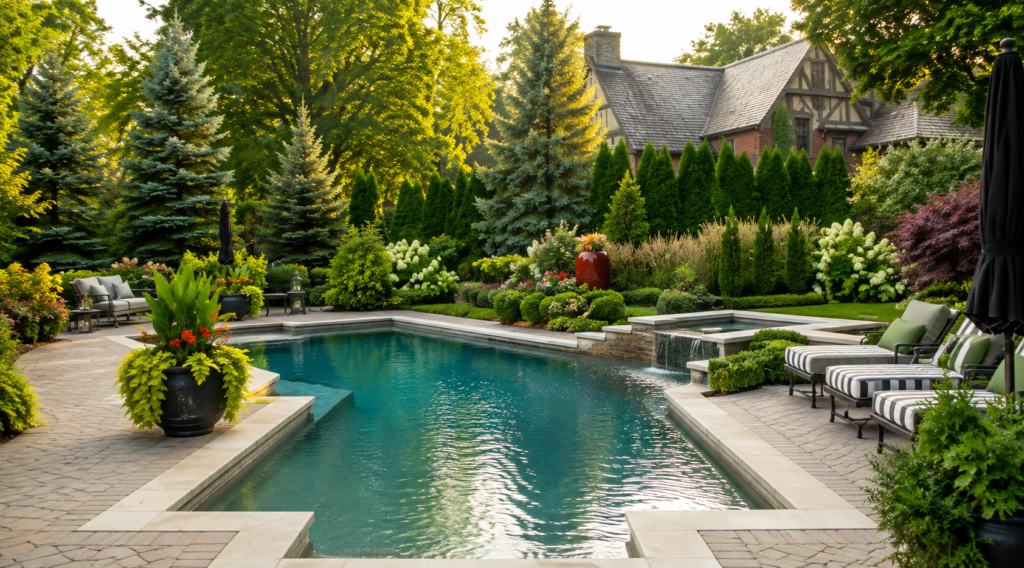
In today’s rapidly changing world, landscape architecture has become much more than creating beautiful gardens, parks, and outdoor spaces. It plays an important role in building healthier communities, protecting the environment, improving urban areas, and preparing cities for climate-related challenges. As populations grow and natural resources become increasingly valuable, thoughtful landscape design is becoming essential for creating spaces where people and nature can thrive together.
What Is Landscape Architecture?
Landscape architecture is the art and science of designing outdoor environments that are functional, attractive, sustainable, and environmentally responsible. It can include everything from residential gardens and public parks to urban streetscapes, commercial landscapes, recreational areas, and large-scale environmental projects.
A good landscape architect considers factors such as plants, water, soil, climate, architecture, human movement, biodiversity, and long-term environmental impact. The goal is not simply to make a space look attractive but to make it useful, comfortable, resilient, and sustainable.
Why Is Landscape Architecture Important Today?
One of the biggest reasons landscape architecture matters today is rapid urbanization. Cities are expanding, buildings are increasing, and open green spaces are becoming limited. Carefully planned landscapes can bring nature back into urban environments through parks, green corridors, roadside plantations, rooftop gardens, and community spaces.
These green areas can make cities more pleasant while providing valuable spaces for relaxation, exercise, social interaction, and recreation.
Creating Sustainable and Climate-Resilient Cities
Climate change has made sustainable landscape planning more important than ever. Well-designed landscapes can help cities manage problems such as excessive heat, heavy rainfall, soil erosion, and water shortages.
For example, strategically planted trees can provide shade and help reduce the urban heat-island effect. Rain gardens, permeable surfaces, and thoughtfully designed drainage systems can help manage stormwater and reduce pressure on conventional drainage infrastructure.
This makes sustainable landscape design an important part of creating climate-resilient communities.
Supporting Biodiversity and the Environment
Modern landscape architecture can also help protect biodiversity. Native plants, trees, shrubs, and ecological habitats can provide food and shelter for birds, butterflies, bees, and other wildlife.
Instead of treating every outdoor space as a purely decorative area, modern designers increasingly consider how landscapes can support local ecosystems. Using appropriate plants and reducing unnecessary chemical and water use can create healthier environments while maintaining visual appeal.
Improving Human Health and Well-Being
Access to green spaces can have a positive influence on everyday life. Parks, gardens, walking paths, tree-lined streets, and peaceful outdoor areas provide people with opportunities to spend time outside and connect with nature.
In busy urban environments, thoughtfully designed landscapes can create spaces for walking, exercise, relaxation, and social interaction. This is one reason landscape architecture is increasingly considered an important element of healthy community planning.
Making Outdoor Spaces More Functional
Beautiful design is valuable, but functionality is equally important. A successful landscape should work for the people who use it.
Landscape architects carefully plan pathways, seating areas, planting zones, lighting, shade, drainage, accessibility, and recreational spaces. Whether it is a residential garden or a large public park, every element should have a purpose.
The result is an outdoor environment that is attractive while also being practical and easy to use.
The Future of Landscape Architecture
The future of landscape architecture is closely connected with sustainability, technology, biodiversity, and changing urban needs. Smart irrigation systems, water-efficient planting, green infrastructure, native landscapes, and environmentally responsible materials are likely to become increasingly important.
At the same time, landscape professionals will continue finding innovative ways to combine architecture and nature. From small residential gardens to large urban development projects, landscape design can help create spaces that are more adaptable and environmentally responsible.
Conclusion
Landscape architecture matters more than ever because it connects people, places, and nature. It can help cities become greener, communities become healthier, and outdoor environments become more sustainable and resilient.
As the world faces urban growth, climate challenges, biodiversity loss, and increasing demand for quality outdoor spaces, landscape architecture offers practical solutions that go beyond aesthetics. It is about designing a better relationship between the built environment and the natural world—creating landscapes that are beautiful today and valuable for generations to come.
FAQ – AEO Section
Q1. Why is landscape architecture important?
Landscape architecture is important because it creates functional, attractive, sustainable, and environmentally responsible outdoor spaces while supporting human well-being and ecological health.
Q2. How does landscape architecture help the environment?
It can support biodiversity, improve green cover, manage stormwater, conserve water, reduce heat, and encourage the use of sustainable and native planting.
Q3. Is landscape architecture useful in urban areas?
Yes. Urban landscape architecture can create parks, green corridors, tree-lined streets, public spaces, and other green infrastructure that improve the quality of city life.
Q4. What is sustainable landscape design?
Sustainable landscape design focuses on reducing environmental impact through efficient water use, suitable plant selection, biodiversity protection, responsible materials, and climate-conscious planning.