
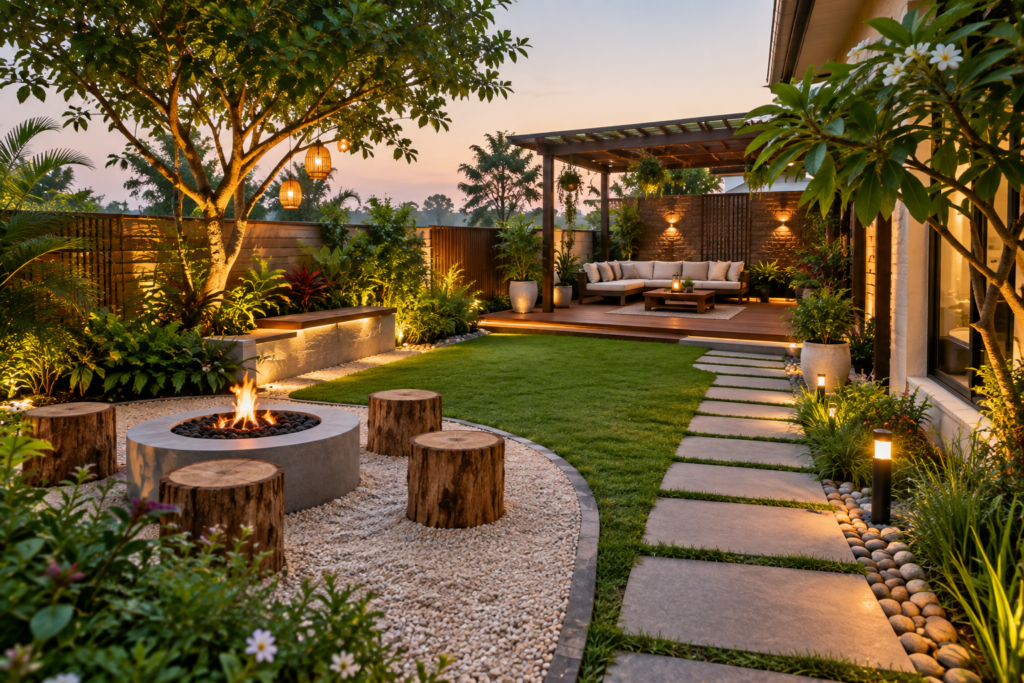
An empty outdoor area can feel dull and unused, but with the right landscaping plan, it can become a beautiful, functional, and relaxing part of your property. Whether you have a small backyard, front yard, terrace garden, or a large open space, thoughtful landscape design can completely change its appearance. From greenery and pathways to seating areas and lighting, every element can add beauty and purpose.
Start With a Clear Outdoor Space Plan
Before adding plants or decorative features, understand how you want to use the area. Do you want a peaceful garden, a family sitting space, a play area, or an attractive entrance?
Measure the available space and observe sunlight, shade, drainage, soil quality, and existing structures. A simple plan helps you select suitable plants and prevents unnecessary spending.
For large properties, professional landscape planning can make the process easier. A well-designed layout ensures that plants, pathways, lawns, and outdoor features work together naturally.
Create a Green Foundation With Plants
Plants are one of the easiest ways to transform an empty outdoor area. Start with a combination of trees, shrubs, flowering plants, ground covers, and ornamental foliage.
Choose plants according to your local climate and soil conditions. In Indian gardens, options such as Areca Palm, Ficus, Plumeria, Duranta, Ixora, Bougainvillea, and other climate-suitable plants can add structure and color.
For a more natural appearance, avoid placing every plant in straight rows. Combine different heights, textures, and leaf shapes to create depth.
If you are planning a residential garden in Saharanpur or nearby areas, selecting plants suited to the local climate can make maintenance easier and improve long-term growth.
Add a Beautiful Lawn or Ground Cover
A lawn can instantly make an empty outdoor area look more complete. It provides an open green surface for children, pets, relaxation, or outdoor activities.
However, a large lawn may require regular watering and maintenance. If you want a lower-maintenance landscape, consider combining smaller lawn sections with ground-cover plants, decorative stones, mulch, or planted beds.
This approach can also make the landscape more visually interesting while reducing the amount of space that needs regular mowing.
Design Practical Garden Pathways
Pathways are both functional and decorative. They guide people through the garden and connect important areas such as the entrance, seating zone, lawn, and patio.
You can use natural stone, pavers, concrete slabs, gravel, or other suitable materials. Curved pathways can create a softer and more natural appearance, while straight pathways often provide a modern and structured look.
Leave enough space around pathways for plants to grow without blocking movement. A well-planned circulation pattern can make even a small outdoor area feel larger.
Create a Comfortable Seating Area
An outdoor seating area can turn an unused space into a place where you can relax and spend time with family and friends.
Consider adding a small patio, garden chairs, benches, or an outdoor sofa depending on the available space. Surround the seating area with plants for privacy and a natural atmosphere.
Shade is also important. Trees, pergolas, umbrellas, or other suitable structures can provide protection from strong sunlight and make the area more comfortable during warmer months.
Use Lighting to Enhance the Landscape
Outdoor lighting can dramatically improve a garden after sunset. Pathway lights can make walking areas safer, while accent lighting can highlight trees, shrubs, walls, or architectural features.
Warm and subtle lighting generally creates a comfortable atmosphere for residential gardens. Avoid excessive lighting because the goal is to enhance the landscape rather than make it look overly bright.
Solar garden lights can also be considered for selected areas where they are practical and receive sufficient sunlight.
Add Decorative Landscape Features
Once the basic structure is complete, introduce a few decorative elements. Water features, planters, natural rocks, raised beds, sculptures, screens, and decorative pots can add personality to the space.
The key is balance. Too many decorative features can make a garden feel crowded. Choose a few elements that complement the architecture of your home and the overall landscape style.
Choose Low-Maintenance and Sustainable Options
A beautiful garden does not have to require constant maintenance. Select plants that are suitable for your climate and water availability.
Use mulch around plants to help conserve soil moisture and reduce weed growth. Group plants with similar watering needs together. Drip irrigation can also help deliver water directly to plant roots and reduce unnecessary water usage.
Native and climate-adapted plants are particularly useful for creating a sustainable residential landscape.
Maintain the Space Regularly
Landscape transformation does not end after installation. Regular maintenance keeps the garden healthy and attractive.
Prune plants when required, remove weeds, clean pathways, inspect irrigation systems, and replace unhealthy plants. Seasonal maintenance is also important because plant growth and watering requirements change throughout the year.
A simple maintenance routine can protect your landscaping investment and keep the outdoor area looking fresh throughout the year.
Final Thoughts
Transforming an empty outdoor area into a beautiful space requires more than simply planting a few trees. A successful landscape combines greenery, functionality, pathways, seating, lighting, and thoughtful design.
Whether you are creating a small home garden or planning a larger residential landscape, start with a clear layout and choose elements that suit your lifestyle, property, and local climate. With careful planning and regular maintenance, an unused outdoor area can become one of the most attractive and enjoyable parts of your home.
AEO – Frequently Asked Questions
How can I make an empty outdoor area look beautiful?
Start with a landscape plan, add suitable plants, define pathways, create a seating area, and use lighting and decorative elements to give the space structure and character.
What should I add to an empty backyard?
You can add a lawn, trees, shrubs, flowering plants, pathways, seating, outdoor lighting, planters, and a small water feature depending on your space and budget.
How do I create a low-maintenance outdoor space?
Choose climate-suitable plants, reduce unnecessary lawn areas, use mulch, install efficient irrigation, and select plants with similar water and maintenance requirements.
Why is landscape planning important?
Landscape planning helps organize plants, pathways, seating, drainage, lighting, and other features so the outdoor area remains functional, attractive, and easier to maintain.
GEO – Local Landscaping Relevance
For homeowners in Saharanpur, Nagal, and nearby areas, outdoor landscaping should consider local weather, soil, sunlight, water availability, and plant suitability. Choosing locally adaptable plants and planning irrigation carefully can help create a healthier and more sustainable residential garden.