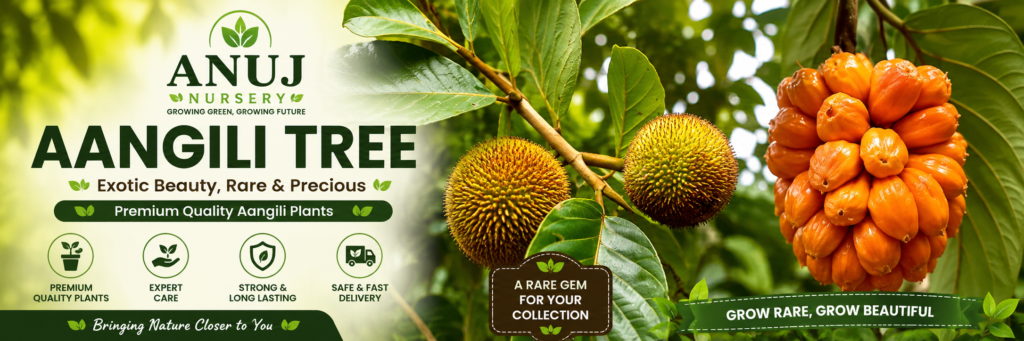
The Aangili Tree is a beautiful and useful tree that can be a valuable addition to suitable gardens, farms, and landscaping projects. Gardeners often choose Aangili trees for their natural greenery, attractive appearance, and long-term landscape value.
For successful growth, it is important to provide the right amount of sunlight, suitable soil, proper watering, adequate nutrition, and enough space for the tree to develop. Because Aangili is a regional common name, the exact botanical species should be confirmed before following highly specific care instructions.
In this complete guide, you will learn about Aangili Tree care, benefits, sunlight, watering, soil, fertilizer, pruning, planting, and maintenance tips in a simple and user-friendly format.
What is an Aangili Tree?
Aangili Tree is a common or regional name used for a particular tree in some parts of India. The exact botanical identity can vary according to local naming practices.
Before buying an Aangili Tree, always check the scientific name, mature size, climate requirements, and nursery information. Correct identification is especially important because different tree species can have very different requirements for sunlight, water, soil, and temperature.
When grown in a suitable environment, an Aangili Tree can provide attractive greenery and long-term value to outdoor spaces.
Benefits of Growing Aangili Tree
1. Adds Natural Greenery
A healthy Aangili Tree can add fresh greenery and a natural appearance to gardens, farms, and landscape areas.
2. Attractive Landscape Tree
Its foliage and overall growth form can make it suitable as a feature tree or as part of a larger landscape design, depending on the species.
3. Long-Term Garden Value
A properly planted and maintained tree can become a long-lasting part of a garden, farmhouse, or open landscape.
4. Suitable for Spacious Outdoor Areas
Depending on the mature size of the variety, Aangili can be suitable for farms, large gardens, parks, institutional landscapes, and other outdoor spaces.
5. Supports a Greener Environment
Like other trees, a healthy Aangili Tree contributes to overall greenery and can provide habitat and shelter opportunities for insects, birds, and other small organisms.
Aangili Tree Care Guide
Sunlight Requirements
Provide the Aangili Tree with good sunlight appropriate for the specific species. Most outdoor landscape trees perform best when planted in an open location with sufficient natural light.
If a young nursery plant has been grown under shade, gradually expose it to stronger outdoor sunlight to reduce transplant stress.
Avoid planting it in a location that remains heavily shaded throughout the day unless the specific species is known to tolerate shade.
Watering Requirements
Young Aangili Trees require regular watering during their establishment period. Water deeply when the upper layer of soil starts to dry.
Do not water automatically every day without checking soil moisture. Weather, rainfall, soil type, temperature, and plant age all affect watering requirements.
During the monsoon season, reduce additional watering when rainfall is sufficient.
Once established, the tree may require less frequent irrigation, although additional water can be useful during prolonged hot and dry conditions.
Soil Requirements
Use fertile, well-drained soil containing organic matter. Good drainage is essential because continuously waterlogged soil can damage roots.
Before planting, mix mature compost or well-decomposed organic manure into poor soil.
For container-grown young plants, use a container with adequate drainage holes.
Fertilizer Requirements
A young Aangili Tree can benefit from mature compost or well-decomposed organic manure during its active growing period.
If additional fertilizer is required, use a balanced fertilizer according to the specific species and product instructions.
Avoid excessive fertilizer, especially around the trunk and young roots.
Pruning and Maintenance
Regular inspection helps maintain a healthy tree. Remove dead, damaged, weak, or crossing branches when required.
Young trees can receive light formative pruning to encourage a balanced structure. Avoid heavy pruning unless it is appropriate for the identified species.
Common Aangili Tree Problems
Yellow Leaves
Yellow leaves can occur because of overwatering, poor drainage, nutrient deficiencies, transplant stress, or environmental changes.
Check soil moisture and drainage before applying fertilizer.
Brown Leaves or Leaf Tips
Brown foliage can result from drought stress, excessive fertilizer, extreme weather, or root problems. Review the growing conditions and adjust care accordingly.
Slow Growth
Newly planted trees may grow slowly while their roots become established. Poor sunlight, unsuitable soil, restricted roots, inadequate moisture, or unsuitable climate can also affect growth.
Best Places to Plant Aangili Tree
Depending on the exact species and mature size, an Aangili Tree may be suitable for:
- Home gardens
- Farmhouses
- Farms
- Parks
- Institutional campuses
- Large landscapes
- Commercial gardens
- Outdoor green spaces
- Plantation projects
Before planting, check the expected mature height and canopy spread. Keep large trees away from buildings, overhead electrical wires, narrow pathways, and underground utilities.
Frequently Asked Questions
What is an Aangili Tree?
Aangili is a common or regional name used for a tree in some areas. The exact botanical identity should be confirmed before applying species-specific care advice.
How much sunlight does Aangili Tree need?
The sunlight requirement depends on the exact species. Generally, outdoor trees benefit from good natural light, but the botanical identity should be checked for precise recommendations.
How often should I water Aangili Tree?
Young trees require regular watering during establishment. Water when the upper soil begins to dry and adjust irrigation according to rainfall and local weather.
Can Aangili Tree be grown in India?
Yes, provided the particular species is suitable for the local climate and soil conditions.
Can Aangili Tree be grown in a pot?
A young plant may be temporarily grown in a large container with good drainage. If the species develops into a large tree, planting it in open ground is generally more suitable.
Conclusion
The Aangili Tree can be an attractive choice for suitable gardens, farms, and landscaping projects. Its natural greenery and long-term landscape potential make it appealing to homeowners, gardeners, farmers, and landscapers.
For healthy establishment, focus on the essentials: adequate sunlight, well-drained soil, appropriate watering, organic nutrition, and sufficient growing space. Most importantly, confirm the botanical identity of your Aangili Tree before applying highly specific care instructions.
If you are looking to buy a healthy Aangili Plant online in India, visit AnujNursery.in and explore the available plant collection for your garden, farmhouse, farm, or landscaping project.
Choose a healthy plant suited to your local climate and available space, and provide consistent care from planting onwards.
Buy your Aangili Plant from Anuj Nursery today and add fresh natural greenery to your outdoor space!